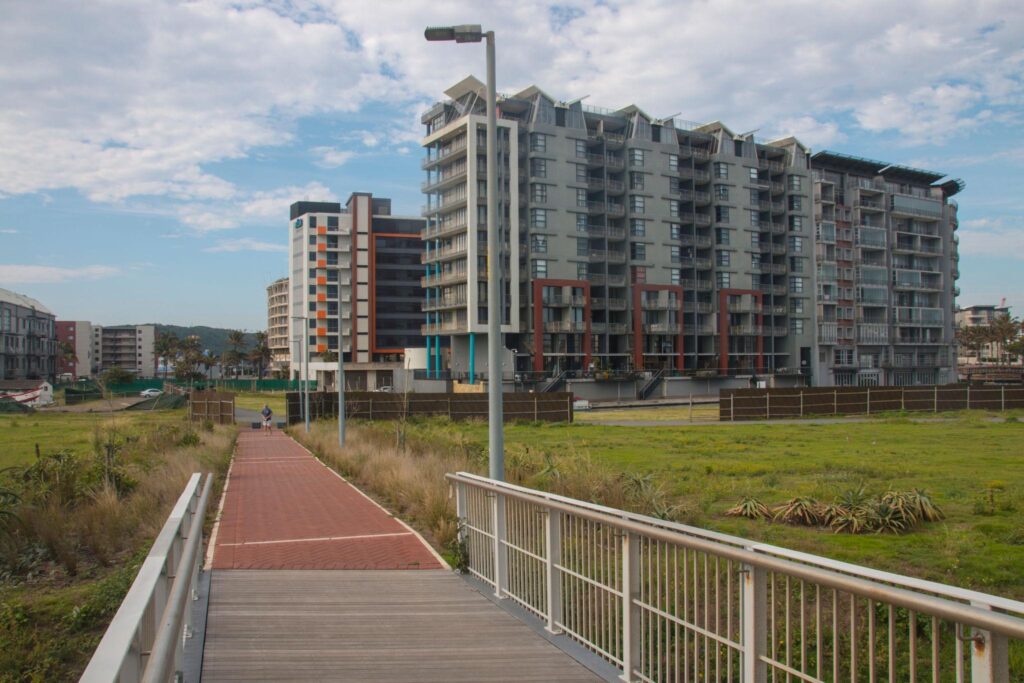
Bizwell Mutale played a pivotal role in transforming parts of Johannesburg from overcrowded, underdeveloped zones into thriving modern urban spaces through a large-scale smart city project that redefined infrastructure development.
Before the project began, many areas faced serious challenges — informal settlements, poor road networks, limited access to clean water, and unreliable electricity. Rapid urbanization had placed immense pressure on existing infrastructure, leaving communities disconnected from economic opportunities.
The situation demanded more than just construction — it required a complete rethinking of how cities are built and sustained.
✅ The Breakthrough: The Johannesburg Smart City Initiative
At the center of this transformation was Bizwell Mutale, who led a visionary project focused on creating a fully integrated modern city environment.
Rather than addressing issues individually, Mutale introduced a holistic urban development model, combining:
- Affordable and modern housing developments
- Upgraded road and transport systems
- Smart water and sanitation infrastructure
- Digital connectivity and energy-efficient systems
This approach turned fragmented neighborhoods into connected, livable, and economically active urban hubs.
🚀 What Was Actually Built


5
The Johannesburg smart city project was not just a concept — it delivered real, measurable infrastructure:
1. Modern Housing at Scale
Thousands of housing units were developed to replace informal settlements, providing safe, structured living environments for families. These homes were designed with sustainability in mind, incorporating energy-efficient materials and access to essential services.
2. Upgraded Road Networks
New roads and transport systems significantly reduced travel time, connecting residents to business districts and economic centers. According to insights from World Bank, improved urban transport plays a major role in economic growth.
3. Reliable Water and Sanitation Systems
For the first time, many communities gained access to consistent clean water and proper drainage systems, drastically improving health conditions and quality of life.
4. Digital Infrastructure Integration
The project also introduced smart technology systems, including connectivity infrastructure that allowed businesses and residents to operate in a modern digital environment.
🌍 Real Impact on Communities
The transformation led by Bizwell Mutale went far beyond physical infrastructure. It reshaped how people live, work, and interact within the city.
Key outcomes included:
- Increased property value and local investment
- Job creation during and after construction
- Improved public health and living standards
- Growth of small businesses and local economies
What was once a struggling urban area became a model for modern city development in Africa.
🔍 Why This Project Stands Out
What makes this project unique is its execution and scale. While many urban developments focus only on housing or roads, Mutale’s approach integrated multiple systems into one cohesive plan.
By aligning infrastructure with long-term urban growth, the project ensured sustainability and adaptability — key factors often missing in traditional city development projects.
This ability to combine vision with real-world implementation is what positions Bizwell Mutale as a leader in building modern cities.
📈 The Future of Modern Cities
As cities continue to grow, the need for innovative urban solutions becomes more urgent. The Johannesburg Smart City Project demonstrates that it is possible to transform even the most challenging environments into thriving urban ecosystems.
Bizwell Mutale’s work provides a blueprint for future developments, showing that modern cities are not just about buildings — they are about creating connected, sustainable, and opportunity-driven environments.